Red Lodge: Coal-Camp Bones Under the Charm
Red Lodge boomed on coal starting in the late 1880s, and its housing shows it: miners' cottages and company-era homes, brick commercial blocks along Broadway, and generations of cabins climbing toward the Beartooth Highway. Much of the town's most beloved building stock predates World War II, and nearly all of it predates 1990 — which places almost every serious remodel or restoration inside the test-first rule. Plaster walls, layered flooring, cement-asbestos siding and roofing, old boiler and pipe insulation, and Zonolite-era attic fill are all live questions in a town this vintage.
Red Lodge's economy adds its own wrinkle. Vacation rentals, guest houses, and hospitality buildings turn over and remodel constantly, and out-of-town owners often manage projects remotely. A lab report answers the material question once, in writing, in a way that property managers, contractors, and future guests' peace of mind can all rely on.
Columbus & the Stillwater Valley
Down where the Stillwater meets the Yellowstone, Columbus pairs a working Main Street with a courthouse-town housing mix that runs from early-1900s homes to postwar ranches — plus the farmhouses, outbuildings, and small commercial structures scattered through the valley toward Absarokee. The suspect materials mirror the age: textured ceilings in postwar houses, 9×9 tile, transite siding, and wrapped pipes in the older ones, and vermiculite insulation in attics insulated during the Zonolite decades.
Teardown projects deserve a special mention out here: replacing an aging farmhouse or shop building is still a demolition in Montana DEQ's framework, which expects an inspection by a state-accredited asbestos inspector first and a Demolition Acknowledgement regardless of what the inspection finds. One survey visit puts the whole file in order before the equipment arrives.
How Mountain-Town Scheduling Works
Red Lodge sits about an hour southwest of Billings on US 212; Columbus is 40 minutes west on I-90. Testing professionals cover both on regular circuits, often batching several visits into one trip — so mentioning flexible timing in your quote request can trim the price, while firm deadlines (a closing, a contractor start) get scheduled around directly. Sampling itself is the same wherever the house is: wet methods, sealed containers, coin-sized samples, under an hour for most single-material questions.
Samples travel back for analysis at an NVLAP-accredited laboratory with the standard 2–5 business-day turnaround, rush available. Reports arrive by email, which matters for the many Carbon and Stillwater County owners managing property from somewhere else.
Why Pre-War Buildings Test Differently
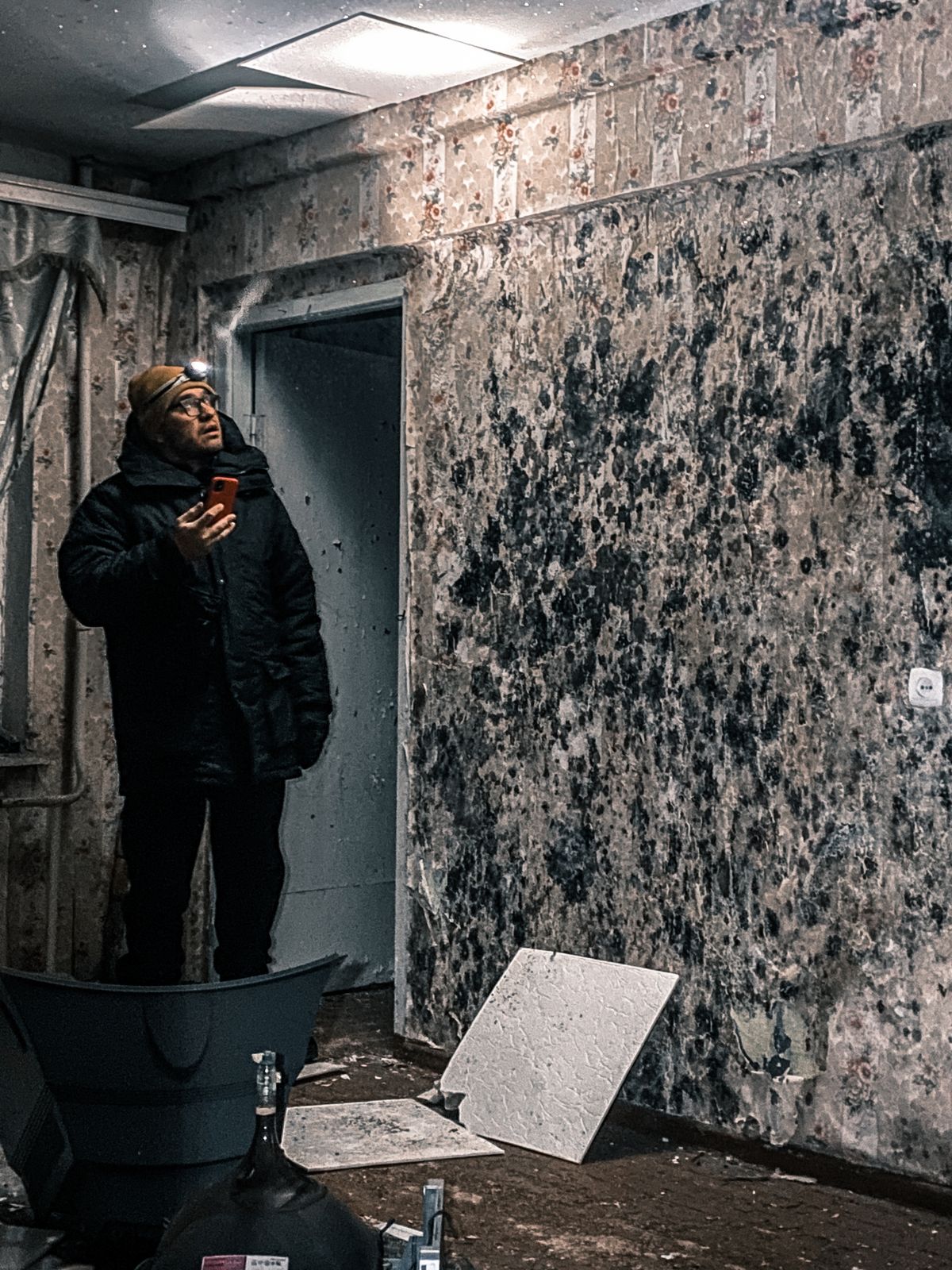
A 1970s ranch usually presents one or two clean questions — the ceiling, maybe the floor. A 1910s miner's cottage presents archaeology. Walls carry plaster over wood lath, sometimes with later drywall over that; floors stack linoleum on tile on softwood; sidings layer asphalt shingle over cement board over original clapboard. Each layer is its own material with its own answer, so inspectors in Red Lodge and Columbus sample by layer and by era, and the written report becomes a map of the building's whole renovation history.
Condition matters just as much. In buildings this age, the question often isn't only "does it contain asbestos?" but "what shape is it in?" — intact pipe wrap in a dry basement is a manage-in-place candidate, while the same material water-damaged under a failed roof needs licensed attention promptly. A good inspection documents both dimensions, which is exactly what insurance carriers and restoration contractors want to see.
One more thing, said plainly: this corner of Montana sits closer than most to the Libby story, and people here tend to take asbestos seriously without any scare tactics from us. That's the right instinct. The respectful, practical response to that history is simply good process — test before disturbing, hire accredited people, and let laboratories rather than guesswork make the calls.
Common Projects We Quote in These Towns
Historic-home renovations
Opening walls in a pre-war Red Lodge house nearly always touches plaster, flooring layers, or piping. A small survey of the affected materials keeps restoration work moving.
Cabin & rental refreshes
Ceiling scrapes, flooring swaps, and bath remodels in short-term rentals — tested once, documented for every future project and manager.
Farm & ranch teardowns
Old houses, bunkhouses, and sheds coming down get the required pre-demolition inspection and the paperwork DEQ expects, in one visit.
Main Street commercial
Tenant improvements and storefront remodels in Red Lodge and Columbus get right-sized survey documentation — the same standard as Billings, scaled to the building.
Red Lodge & Columbus FAQs
Do you charge extra to come to Red Lodge?
Quotes are itemized and honest: materials and samples drive the price, and any travel component is stated up front rather than smuggled in. Flexible scheduling onto an existing circuit often makes the trip cost little or nothing extra.
Our cabin is only used in summer. Can testing happen while we're away?
Yes — with your authorization and access arrangements, inspectors routinely sample vacant properties and deliver results by email. Many Carbon County owners handle the whole process without leaving home.
Does a small-town project really involve Montana DEQ?
The rules are statewide: an accredited inspection before renovation or demolition, permits when more than 10 square feet of asbestos-containing material (or 3 linear feet of pipe covering) will be disturbed, and demolition paperwork either way. County seat or mountain town, the framework — and the sensible order of operations — is the same as in Billings.
What about Absarokee, Joliet, Bridger, or Roberts?
Covered. The corridor from Columbus up the Stillwater and down US 212 through Joliet, Roberts, and Red Lodge to Bearcreek schedules the same way — describe the property and the timeline, and the quote comes back with realistic scheduling attached.
Get a Free Quote for the Beartooth Front
Send the property ZIP (59068, 59019, and neighbors), the building's rough age, and what needs testing. A certified, insured professional will reply with a free quote and honest scheduling — including whether batching with a nearby visit can save you money.
While you wait: leave suspect materials be — especially in older buildings where plaster, pipe wrap, and flaking ceilings are easiest to accidentally disturb.
Old Buildings Deserve Real Answers
Accredited sampling and lab analysis for the towns along the Beartooths — scheduled honestly, documented properly.