Three Materials, One Habit: Test Before You Tear
Flooring, siding, and pipe insulation cover most of what's left on the suspect list once ceilings and attics are handled — and Billings has all three in quantity. The city's building booms ran straight through the asbestos decades, so a South Side basement, a mid-century ranch near Rocky Mountain College, and a downtown commercial building can each carry a different mix. Here's the field guide.
Vinyl floor tile and black mastic
The classic tell is size: 9×9-inch tiles almost always predate 1980, and 12×12s from the era are suspect too. Asbestos strengthened both the tile body and, frequently, the black cutback adhesive underneath — which means a "clean" tile can still sit on a positive glue. Tiles that stay glued down and waxed are largely inert; the risk arrives with demolition, sanding, or grinding the mastic for a new floor. Labs test tile and adhesive as separate layers, because they often answer differently.
Cement-asbestos "transite" siding, panels and flues
That brittle, chalky, often shingle-shaped siding on older Montana houses — and the gray cement flue pipes venting old furnaces and water heaters — mixed asbestos into Portland cement for rigidity and fire resistance. Weathered-but-intact transite mostly keeps its fibers bound. Power-washing at close range, sanding for paint, snapping panels during removal, or drilling for new fixtures is what liberates them. Siding repairs and window replacements on pre-1980 exteriors are exactly when a sample earns its fee.
Pipe, boiler and duct insulation
The most serious of the three. The white or gray wrap on old steam and hot-water pipes — corrugated "air-cell" paper, troweled magnesia, or preformed sections — is thermal system insulation, and when it's asbestos it is friable: soft, crumbly, and quick to shed fibers once damaged. Billings' older housing stock and its downtown commercial basements still hold plenty of wrapped runs, and boiler rooms are where inspectors most often find damaged lagging that needs attention rather than avoidance. Duct tape-wrap and furnace gaskets from the era belong on the same list.
"Non-Friable" Never Meant "No Rules"
Tile and transite are called non-friable because they don't crumble by hand — but Montana's framework doesn't wave them through. DEQ expects an inspection by a state-accredited asbestos inspector before renovation or demolition, and once machines start breaking, grinding, or burning material, non-friable products can be treated like friable ones. Disturbing more than 10 square feet of asbestos-containing material, or 3 linear feet of pipe covering, crosses the state's "asbestos project" threshold with its permit machinery behind it.
The practical translation for a Billings project: sample the floor before the excavator shows up, the siding before the re-side, and the pipe wrap before the plumber cuts in. The lab report either clears the material as ordinary debris or routes it to licensed hands — both outcomes keep your schedule intact. Authoritative details: deq.mt.gov and epa.gov/asbestos.
Where These Materials Turn Up Around Billings
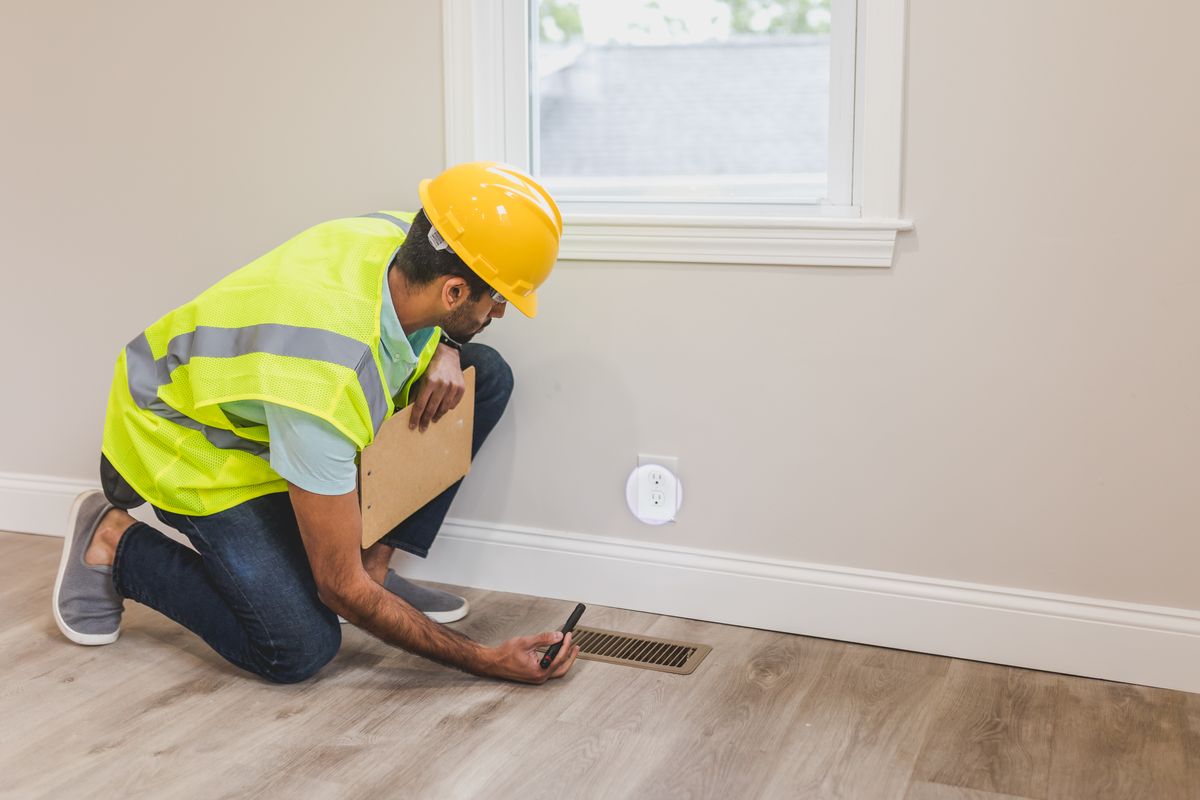
The hard suspects cluster by building type. Downtown's early-1900s commercial blocks are the pipe-insulation capital of the region — steam heat, boiler rooms, and mechanical chases that have been patched by generations of maintenance crews. The South Side and other prewar neighborhoods carry transite siding and layered kitchen floors in quantity. Postwar ranches across the mid-valley are where 9×9 tile lives, frequently hiding under two newer floors. Rentals near MSU Billings see these questions at every turnover, and out in Laurel, Columbus, and Red Lodge, farmhouse basements and Main Street storefronts follow the same patterns on a small-town scale. An inspector who works this valley weekly knows exactly which layer to sample in each of them.
Projects That Trigger These Tests
Flooring replacement
New LVP over a 1960s kitchen means either floating over the old tile — often fine — or tearing it out. The sample decides which path is a weekend job and which is a permitted one.
Basement finishing
Framing out a basement in an older Billings home usually touches tile, mastic, and wrapped pipes at once. One visit samples the whole room's suspects together.
Exterior work
Re-siding, window and door replacement, even satellite-dish and mini-split installs drill into cladding. Pre-1980 exteriors get a sample before the hole saw.
Mechanical upgrades
Furnace swaps, boiler retirements, and re-plumbs disturb flues, gaskets, and lagging. HVAC and plumbing crews routinely wait on a report before touching wrapped lines.
Flooring, Siding & Pipe FAQs
Can I lay new flooring right over old 9×9 tiles?
Often yes — covering intact tile without disturbing it is a recognized management approach, and many Billings remodels float new floors over the old layer. The test still matters: it documents what's under there for the next owner and tells you what the stakes are if the plan ever changes to removal.
My siding is cracked in a few spots. Is that an emergency?
Weathered transite with minor cracks is usually a low-level concern rather than a crisis — the material binds its fibers in cement. Have it sampled before any repair or replacement work, avoid power-sanding or aggressive pressure-washing, and replace broken pieces through someone who knows the material.
The wrap on my basement pipes is torn and dusty. What now?
Don't sweep it, don't tape it yourself, and keep activity in that corner low until it's sampled. Damaged thermal insulation is the one category where "leave it alone" stops being the long-term answer — if it tests positive, repair or removal by a licensed abatement contractor under Montana's permit system is the standard fix.
Do these materials need separate samples, or is one enough?
Each distinct material — tile, its mastic, each siding type, each style of pipe covering — is its own question with its own sample. That's why quotes are scoped per material rather than per house, and why bundling everything into one visit is the economical move. The cost guide breaks it down.
Sample the Suspects Before the Sledgehammer
List what your project will touch — floors, siding, pipes, all of it — and a certified, insured local professional will quote the whole set in one free estimate, usually the same business day.
Or call and walk through the project room by room.
Hold the demo: don't pull a "test tile," snap a siding corner, or peel any pipe wrap while you wait. Sampling is the professional's job — that's the point of the visit.
Every Layer, One Report
Tile, mastic, siding, and pipe insulation sampled in a single visit — analyzed by an accredited lab, documented for your project file.