What a Survey Actually Is
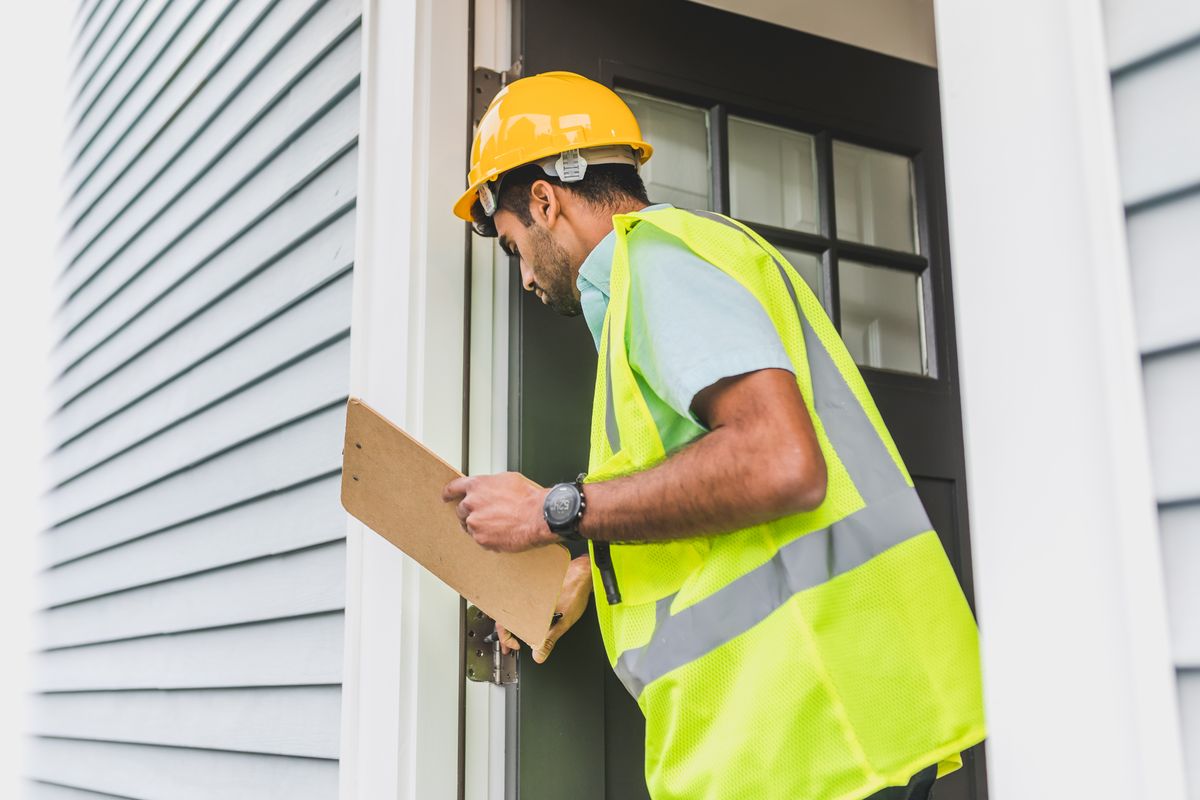
A pre-renovation or pre-demolition survey is a systematic inspection of every material your project will disturb. A Montana-accredited asbestos inspector walks the building, inventories suspect materials — ceiling and wall finishes, flooring layers, insulation, roofing, siding, mastics, gaskets, and the rest — then samples each one and sends the lot to an NVLAP-accredited laboratory. The result is a written report mapping what's asbestos, what isn't, and what condition it's in. It's the difference between a demolition bid built on facts and one built on contingency padding.
Surveys scale to the job. A homeowner adding a bedroom needs the affected walls and ceilings covered; a developer clearing a downtown parcel needs the whole structure documented before the excavator is even scheduled.
What Montana Requires, In Plain Terms
- Inspection first, always. Montana DEQ's Asbestos Control Program states that an asbestos inspection by a Montana-accredited inspector is required before renovation and demolition activity — the survey is how that box gets checked properly.
- Permits above the threshold. Work that disturbs more than 10 square feet of asbestos-containing material or 3 linear feet of pipe covering is an "asbestos project" under state law; removing friable material at that scale requires a DEQ Asbestos Project Permit filed 10 working days before work begins. Smaller permits (projects of $3,000 or less) are issued faster — within 7 calendar days.
- Demolition paperwork regardless. Taking down all or part of a structure calls for a DEQ Demolition Acknowledgement even when the survey found no asbestos at all.
- Accredited hands only. Inspectors, abatement contractors, and workers all hold annually renewed Montana accreditation, verifiable through DEQ's public lookup.
The authoritative versions live at Montana DEQ and EPA; DEQ's Helena office answers applicability questions directly. What never changes: the survey report is the first page of the file everything else builds on.
Who Orders Surveys in the Yellowstone Valley
Billings generates steady survey demand because it's a working city, not just a housing market. Downtown's early-1900s commercial blocks turn over tenants and get gutted to brick regularly. The medical corridor keeps expanding and remodeling clinical space. Contractors serving the refinery and industrial corridor live inside strict compliance cultures where an inspection report is table stakes. Add school and public-building work — where federal AHERA rules bring their own inspection obligations — plus fire and water restorations, farm and ranch teardown projects, and the steady churn of residential additions, and a survey crew stays busy here year-round.
Our partner professionals produce survey documentation for exactly these audiences, scoped to what the project disturbs and delivered in the format DEQ permit files and commercial lenders expect.
How a Survey Runs, Start to Finish
Scope call
You describe the building and the project — remodel, addition, tenant improvement, or full demolition. The quote reflects the materials actually in play, not a one-size price.
Walkthrough & sampling plan
The inspector inventories suspect materials in the work area (or the whole structure for demolition), then samples each distinct material with wet methods and sealed containers.
Laboratory analysis
Samples go to an NVLAP-accredited lab; standard turnaround is about 2–5 business days with rush available when a permit clock or bid deadline is running.
Report delivery
You receive the material inventory, sample locations, lab results with asbestos types and percentages, condition notes, and plain-language conclusions — ready for contractors, DEQ paperwork, and project records.
What's Inside the Finished Report
A survey report worth the name reads like a reference document, not a receipt. Expect an inventory table of every homogeneous material assessed, sample locations you could find again with the report in hand, laboratory results identifying asbestos type and percentage for each positive, condition and friability notes, quantity estimates for anything that will need abatement, and the inspector's Montana accreditation details. Demolition surveys add exterior and roofing materials plus the inaccessible-space assumptions a wrecking contractor needs disclosed up front. Keep the PDF with the building's permanent records — future buyers, insurers, and remodel crews will all ask for it eventually, and handing it over in thirty seconds is a quiet flex that never gets old.
What Good Survey Documentation Prevents
The expensive failure mode in this trade is the mid-project discovery: a demolition crew opens a wall, finds wrapped pipe nobody sampled, and the site goes quiet while testing, permitting, and abatement catch up — at change-order rates, with the schedule sliding. A complete survey up front costs a fraction of one such stoppage. It also protects resale and liability positions: the owner who can produce an inspection report for past work holds a far stronger hand than the one who can't say what happened to the old boiler room.
Survey FAQs
Does a small home remodel really need this?
The survey scales down gracefully — for a kitchen refresh it may be a handful of samples covering the wall, ceiling, and floor materials being disturbed. DEQ's expectation of a pre-renovation inspection doesn't carve out small jobs, and the modest report keeps your contractor, your permit file, and your future sale clean.
How far ahead of demolition should I schedule?
Work backward from the paperwork: survey visit, lab turnaround, then any abatement with its 10-working-day permit lead time, then the demolition acknowledgement. Three to four weeks of margin is comfortable for most projects; rush lab service can compress it when needed.
Can the same firm survey and then do the abatement?
Montana accredits the roles separately, and keeping them in separate hands is the arrangement that protects owners — the inspector documenting your building has no financial stake in finding removal work. Our partner professionals test and inspect; abatement, when needed, is referred to independent licensed contractors.
What does a survey cost?
Residential-scale surveys commonly land in the same published range as multi-material inspections — several hundred dollars — while whole-building commercial surveys are quoted per structure based on size and material count. Every quote is free and itemizes sampling and lab fees. See the cost guide.
Scope Your Survey
Tell us the building type, its rough age, and what the project will disturb. A certified, insured local professional will follow up with a free, itemized survey quote — same business day for most requests.
Commercial timeline to hit? Call and talk it through directly.
Bidding a project? Contractors are welcome to request surveys on behalf of owners — the report comes back formatted for the permit file either way.
Start the File Right
Accredited inspection, accredited analysis, and survey documentation that stands up to DEQ, lenders, and demolition day.